Blyth Relief Road: Plans Set for Approval to Ease Traffic and Fuel Growth
For years, the bustling town of Blyth has grappled with the ever-increasing challenge of traffic congestion. A critical gateway to Northumberland’s burgeoning economy, Blyth's existing road networks have struggled to cope with the demands of its residents, businesses, and an ambitious regeneration agenda. Now, after extensive planning and public consultation, the long-awaited
Blyth Relief Road project is poised for approval, promising to unlock the town's full potential by drastically improving connectivity and paving the way for a more sustainable future.
Northumberland County Council's planning committee is set to discuss the transformative scheme, with officers recommending a green light – a decision that would mark a significant milestone for a project years in the making. This vital infrastructure upgrade is not merely about easing queues; it's a strategic investment in Blyth's future, designed to support massive economic growth, enhance quality of life, and contribute to ambitious environmental targets.
A Vital Lifeline for Blyth's Economic Surge
Blyth stands at the cusp of a major economic transformation, underscored by the £70 million ‘Energising Blyth’ programme. This ambitious initiative aims to position Blyth as a leading UK and international hub for renewable energy and advanced manufacturing. Such grand visions, however, demand robust infrastructure to ensure the seamless movement of people, goods, and services. The current reality presents a significant bottleneck. The two primary arteries into and out of Blyth – the A193 Cowpen Road and the A1061 Laverock Hall Road – are severely overstretched, each handling upwards of 20,000 vehicles daily. This leads to frustrating peak-time congestion, which in turn hampers business efficiency, discourages investment, and detracts from the town's overall appeal.
The
Blyth Relief Road is the crucial piece of the puzzle that will enable this economic expansion to become a tangible reality. By providing much-needed capacity improvements, it will make emerging development opportunities more achievable, fostering an environment ripe for further investment and job creation. Imagine a future where businesses can transport materials and products without delay, and where skilled workers can commute efficiently, all contributing to a dynamic and thriving local economy. The relief road is fundamentally about connecting Blyth's ambitious future with the practical means to achieve it.
Tackling Decades of Congestion: The Route to Relief
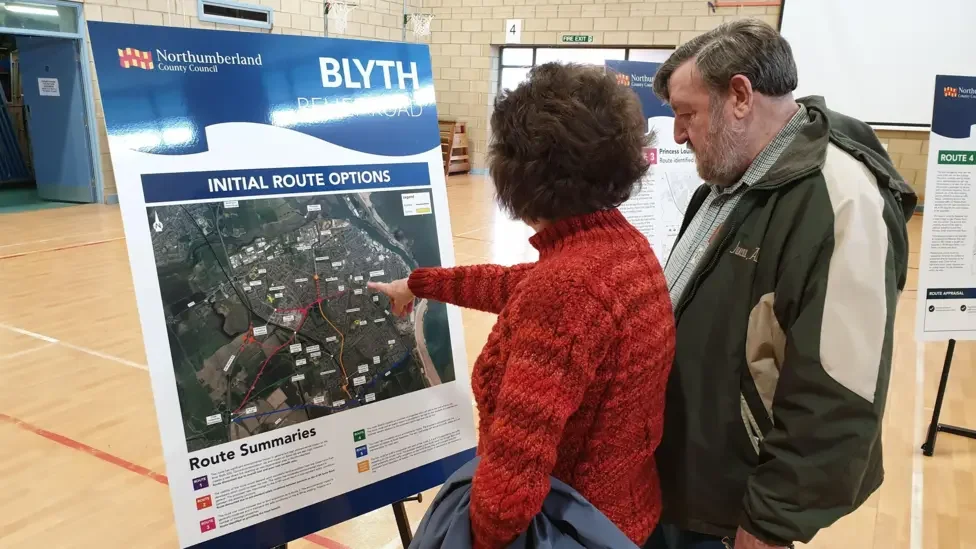
The issue of traffic congestion in Blyth is far from new. Northumberland County Council has recognized the problem for several years, initiating a Blyth Transport Appraisal as far back as 2015. This comprehensive report identified the urgent need for long-term highway improvements to add capacity to the existing network. Following this, various route options were thoroughly investigated, leading to early community engagement in 2019 to gather feedback. Further public consultation in the summer of 2022 presented the preferred route alignment (Route 5) in its preliminary form, demonstrating a commitment to incorporating local views into the final design. The feedback received has been integral, shaping the current plans to reflect community needs wherever possible.
The proposed scheme, an investment of approximately
£55 million, focuses on a significant upgrade to the existing A1061 Laverock Hall Road. This will involve the creation of a new 4.5km dual carriageway connection, stretching from the A189 Three Horseshoes roundabout all the way to the A193/A1061 roundabout at South Beach. This strategic widening will be complemented by a new single carriageway link between Chase Farm Drive and Ogle Drive, specifically designed to maximize benefits and alleviate pressure on the A193 Cowpen Road. This dual approach tackles congestion from multiple angles, ensuring a more efficient and reliable transport network across the town. The strategic placement and design of these new sections are expected to significantly reduce bottlenecks and streamline traffic flow, providing a tangible improvement for daily commuters and freight alike.
Beyond Traffic Flow: Broader Benefits for Community and Environment
While the primary objective of the
Blyth Relief Road is to ease traffic, its strategic goals extend far beyond mere vehicle movement. This is a multi-faceted project designed with the holistic well-being of the community and the environment in mind. The Outline Business Case, currently under review by the Department for Transport, highlights several key benefits:
*
Reduced Congestion and Journey Times: The most immediate and noticeable impact will be a significant reduction in traffic on the A193 Cowpen Road and A1061 Laverock Hall Road, leading to tangible journey time savings for everyone travelling into and out of Blyth.
*
Improved Bus Journey Reliability: Less traffic means fewer delays for public transport, making bus services more reliable and attractive to users. This encourages a shift away from private cars, further easing congestion.
*
Enhanced Road Safety: By improving existing junctions and reducing the sheer volume of vehicles on key routes, the scheme is projected to lead to a decrease in road traffic accidents across Blyth, making roads safer for all users.
*
Boost for Sustainable Transport: The project isn't just about roads; it actively promotes sustainable travel. New and enhanced walking and cycling facilities will be integrated alongside the new road, offering safer and more appealing options for active travel. Furthermore, the improved road network will provide better access to the new Northumberland Line railway stations, encouraging multimodal journeys. This focus on integrated transport solutions is vital for modern urban planning. For a deeper dive into how this project supports broader objectives, read our related article:
How Blyth Relief Road Fuels Economic Growth & Net Zero Goals.
*
Environmental Improvements: A reduction in stop-start traffic means less idling and therefore improvements in localised air quality, particularly for residents living along currently congested routes. Crucially, the scheme contributes to Northumberland's ambitious 'Net Zero' vision by 2030, aligning transport infrastructure with environmental responsibility.
These broader benefits underscore the forward-thinking nature of the project. It acknowledges that effective infrastructure in the 21st century must integrate environmental, social, and economic goals, creating a more attractive and liveable environment for residents, visitors, and investors alike.
What Happens Next? The Road Ahead
The recommendation for approval by Northumberland County Council's planning officers signals strong confidence in the
Blyth Relief Road scheme. Should the panel give it the green light, it will represent a crucial step towards the project's realization. While the Outline Business Case is currently with the Department for Transport for review and final approval, local planning consent is a fundamental prerequisite.
Once all necessary approvals are secured, the focus will shift to the detailed design and subsequent construction phases. While specific timelines for commencement and completion will be clarified post-approval, campaigners and local residents who have long called for this scheme can anticipate a tangible start to construction in the coming years. The £55 million investment will not only transform Blyth's transport landscape but will also provide a significant boost to the local construction industry, creating jobs and stimulating economic activity during its build phase. This comprehensive project is set to cut congestion and boost transport for years to come. To learn more about the project's financial details and its impact on local transport, explore:
Unlocking Blyth: £55M Project to Cut Congestion & Boost Transport.
Conclusion
The impending approval of the
Blyth Relief Road marks a pivotal moment for Blyth and the wider Northumberland region. This long-awaited scheme transcends simple road construction; it represents a strategic investment in economic growth, environmental sustainability, and community well-being. By alleviating chronic traffic issues, enhancing safety, promoting sustainable transport options, and supporting the 'Energising Blyth' programme, the relief road is set to transform the town into a more accessible, prosperous, and attractive place to live, work, and visit. The journey has been long, but the destination—a free-flowing, thriving Blyth—is now firmly within sight.