How Blyth Relief Road Fuels Economic Growth & Net Zero Goals
Blyth, a town steeped in maritime history, is rapidly charting a new course towards becoming a powerhouse in renewable energy and advanced manufacturing. This ambitious vision, encapsulated by the significant £70 million ‘Energising Blyth’ programme, promises to redefine the town’s role in the regional and national economy. However, for such transformative growth to truly take root, the foundational infrastructure must be robust enough to support it. This is where the Blyth Relief Road emerges as a critical enabler, designed not only to alleviate long-standing traffic woes but also to serve as a catalyst for economic prosperity and a greener future.
The £55 million project, which has been a topic of discussion and planning for years, is more than just a new stretch of tarmac. It represents a strategic investment in Blyth’s future, aimed at enhancing connectivity, improving sustainability, and ultimately creating a more attractive and liveable environment for its residents and businesses. By addressing core challenges like congestion and inadequate transport links, the Blyth Relief Road is poised to unlock the town's full potential, paving the way for a dynamic, thriving, and environmentally conscious community.
The Urgency for Change: Tackling Blyth's Traffic Woes
For years, residents and businesses in Blyth have grappled with significant traffic challenges. The two primary arteries into the town, the A193 Cowpen Road and the A1061 Laverock Hall Road, have become bottlenecks, each enduring over 20,000 vehicle movements daily. This relentless volume leads to predictable and severe congestion, especially during peak hours, creating a frustrating experience for commuters and hindering the efficient movement of goods essential for economic activity.
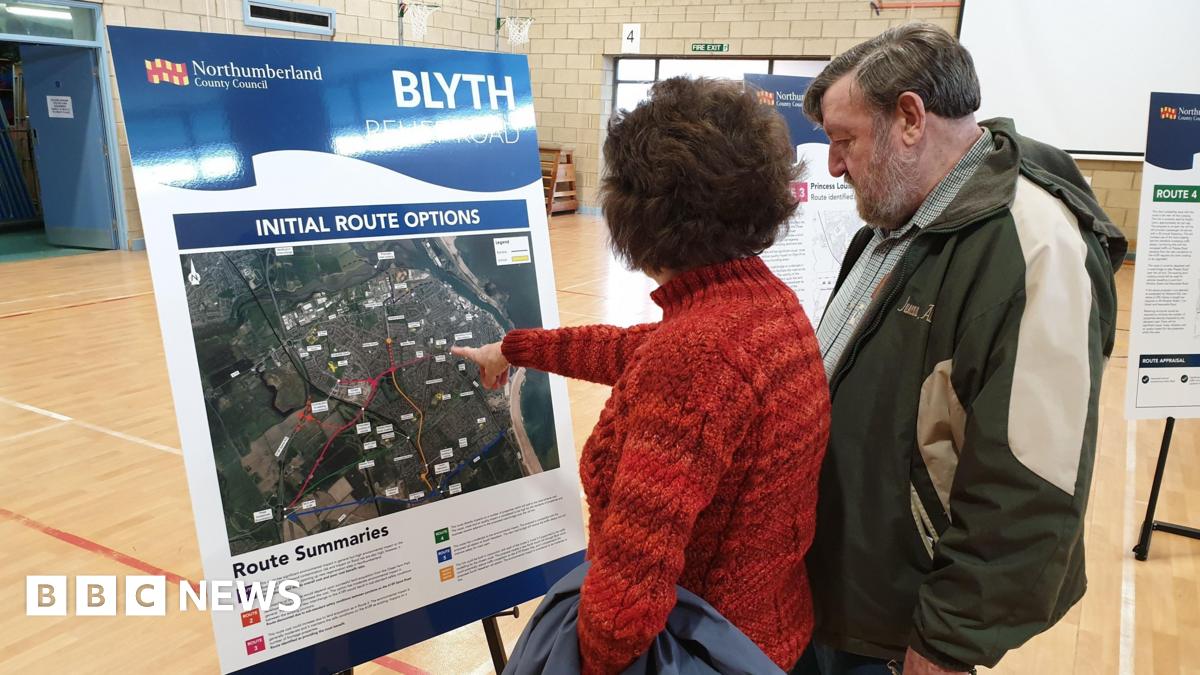
The imperative for a solution has been recognised for some time. A comprehensive Blyth Transport Appraisal in 2015 highlighted the need for long-term highway improvements to increase network capacity. Subsequent public engagement in 2019 and 2022 helped refine the preferred solution: a significant upgrade to the existing A1061 Laverock Hall Road. This crucial scheme involves creating a new 4.5km dual carriageway, connecting the A189 Three Horseshoes roundabout to the A193/A1061 roundabout at South Beach. Furthermore, a single carriageway link between Chase Farm Drive and Ogle Drive will be constructed to maximise benefits to the A193 Cowpen Road.
These improvements are designed to directly address the core issue of congestion, promising:
- Reduced journey times: Smoother traffic flow in and out of Blyth will save valuable time for residents and businesses.
- Improved bus journey reliability: Less congestion means buses can maintain schedules more consistently, encouraging public transport use.
- Enhanced road safety: Modernised junctions and reduced traffic volumes on key routes are expected to significantly decrease road traffic accidents across Blyth.
Ultimately, the Blyth Relief Road is about more than just moving vehicles; it's about making daily life in Blyth more efficient, safer, and less stressful, laying the groundwork for greater things to come. You can read more about the project's journey to approval in this related article: Blyth Relief Road: Plans Set for Approval to Ease Traffic.
Paving the Way for Economic Prosperity
The true significance of the Blyth Relief Road extends far beyond alleviating traffic. It is a strategic investment that directly underpins the town's ambitious economic transformation. With the 'Energising Blyth' programme aiming to establish Blyth as a leading hub for renewable energy and advanced manufacturing, robust infrastructure is not merely an advantage; it's a prerequisite.
By providing efficient links for the safe and swift movement of people and goods, the relief road will:
- Attract and retain businesses: Companies looking to invest in new facilities or expand existing operations require reliable transport networks for their supply chains, employees, and customers. The improved connectivity makes Blyth a more appealing location for high-tech industries and energy sector players.
- Unlock development opportunities: Many emerging development sites around Blyth become more achievable and viable with enhanced road capacity. This facilitates the construction of new industrial parks, business centres, and housing, fostering further economic activity and job creation.
- Boost workforce accessibility: A smoother commute makes Blyth more accessible for skilled workers from wider areas, expanding the talent pool for local businesses and supporting economic growth. Conversely, it provides Blyth residents with better access to jobs across the region.
- Enhance tourism and local commerce: Improved access can encourage more visitors to Blyth, boosting local shops, restaurants, and attractions, contributing to a vibrant local economy.
In essence, the Blyth Relief Road acts as a critical piece of the puzzle, connecting the vision of a thriving economic centre with the practical infrastructure needed to achieve it. It's an investment in the town's future, designed to generate returns in the form of jobs, prosperity, and a stronger regional economy.
Driving Towards a Greener Future: Blyth's Net Zero Commitment
In an era where environmental sustainability is paramount, the Blyth Relief Road isn't just about economic gains; it's also a significant stride towards achieving Northumberland’s ambitious 'Net Zero' vision by 2030. The project integrates several forward-thinking elements designed to foster more sustainable transport solutions and improve the local environment.
Here’s how the road contributes to a greener Blyth:
- Improved Walking and Cycling Provision: Alongside the new road infrastructure, significant investment will be made in creating new and enhancing existing walking and cycling links. This commitment to active travel encourages residents to choose healthier, zero-emission modes of transport for shorter journeys, reducing reliance on cars and promoting well-being.
- Better Access to Public Transport: The scheme will improve access to the Northumberland Line railway stations, making it easier for people to use trains for longer commutes. Integrating different transport modes is crucial for building a truly sustainable network.
- Reduced Vehicle Emissions: By alleviating congestion, the relief road will significantly reduce the amount of time vehicles spend idling in traffic. Less idling means less fuel consumption and, crucially, a measurable reduction in harmful exhaust emissions, directly contributing to improved localised air quality across Blyth. Smoother traffic flow also allows vehicles to operate more efficiently, further reducing their environmental impact.
These interwoven benefits demonstrate a holistic approach to development, where economic progress is harmonised with environmental responsibility. The Blyth Relief Road is a testament to the belief that infrastructure can be a powerful tool in the fight against climate change, making Blyth not only a centre for renewable energy but also a model for sustainable urban living.
Practical Tip: Once the new walking and cycling routes are in place, consider incorporating them into your daily routine. Exploring Blyth on foot or by bike is a fantastic way to enjoy the local environment and contribute to the town's Net Zero goals.
Beyond the Tarmac: Broader Community Benefits & Future Vision
While the economic and environmental advantages are substantial, the Blyth Relief Road offers a myriad of broader benefits that will directly enhance the quality of life for Blyth's residents. This transformative project is about creating a community that is not only well-connected and prosperous but also safer, healthier, and more enjoyable for everyone.
- Enhanced Living Environment: A significant reduction in localised air pollution, particularly from vehicle emissions, will lead to a healthier living environment. Furthermore, diverting heavy traffic away from residential streets can reduce noise pollution, fostering quieter neighbourhoods.
- Increased Safety: Beyond improving overall road safety through better junction design and reduced congestion on existing main routes, the inclusion of dedicated walking and cycling paths provides safer alternatives for pedestrians and cyclists, reducing their exposure to road traffic.
- Improved Accessibility: Better transport links mean easier access to local amenities, healthcare facilities, schools, and recreational areas for all residents, improving overall convenience and connectivity within the town.
- A More Attractive Place to Live, Visit, and Invest: When a town functions efficiently, is environmentally conscious, and offers a high quality of life, it naturally becomes more appealing. This ripple effect can lead to increased property values, greater community pride, and a stronger sense of place.
The vision for Blyth is one of an integrated, forward-looking community. The relief road is a foundational element in this vision, ensuring that as Blyth grows and innovates in sectors like renewable energy, its residents also experience an improved daily existence. This project is about much more than solving traffic problems; it's about building a sustainable and thriving future for generations to come. Learn more about the comprehensive benefits of this scheme in the article: Unlocking Blyth: £55M Project to Cut Congestion & Boost Transport.
Conclusion
The Blyth Relief Road stands as a testament to strategic planning and community-focused development. Far from being a mere bypass, this £55 million investment is a multi-faceted catalyst designed to unlock Blyth's immense potential. By effectively addressing long-standing congestion issues, it clears the path for the town to fully embrace its role as a burgeoning hub for renewable energy and advanced manufacturing.
Crucially, the project is intrinsically linked with Northumberland's Net Zero aspirations, integrating sustainable transport solutions and promising cleaner air for residents. Its benefits extend beyond economics and environment, encompassing improved safety, enhanced quality of life, and making Blyth an even more attractive place to live, visit, and invest. As the plans move towards final approval, the Blyth Relief Road is poised to become a cornerstone of a prosperous, connected, and sustainable future for Blyth and the wider region.