Unlocking Blyth's Future: The £55M Project Poised to Transform Transport and Economy
Blyth, a coastal town in Northumberland, is on the cusp of a major transformation. With a £55 million investment in the much-anticipated Blyth Relief Road project, the region is set to tackle its long-standing traffic woes, unlock significant economic potential, and pave the way for a more sustainable future. This ambitious infrastructure scheme isn't just about new asphalt; it's a strategic move to support the broader ‘Energising Blyth’ programme, positioning the town as a leading UK and international hub for renewable energy and advanced manufacturing. By enhancing connectivity and streamlining travel, the Blyth Relief Road aims to create a more attractive place to live, work, and invest.
The Congestion Conundrum: Why Blyth Needs a Solution
For years, residents and businesses in Blyth have grappled with the frustrating reality of peak-time congestion. The town's critical role in the regional economy, particularly with burgeoning industrial and commercial developments, has put immense pressure on its existing road network. The two primary arterial routes into Blyth, the A193 Cowpen Road and the A1061 Laverock Hall Road, are currently overburdened, with each carrying over 20,000 vehicles daily. This heavy traffic leads to significant delays, unreliable journey times, and considerable frustration for commuters and freight alike. Such bottlenecks not only impact the daily lives of thousands but also act as a drag on economic efficiency, hindering the smooth movement of goods and people essential for the growth envisioned by the 'Energising Blyth' initiative.
Northumberland County Council has acknowledged these traffic challenges for an extended period, initiating a Blyth Transport Appraisal as far back as 2015 to explore viable solutions. The conclusion was clear: long-term highway improvements were essential to boost network capacity and facilitate future development. Without a dedicated effort to ease this congestion, the considerable investment in making Blyth a renewable energy and advanced manufacturing powerhouse risked being undermined by inefficient transport links. The new Blyth Relief Road is therefore not merely a convenience; it's a critical enabler for the town's ambitious economic strategy.
A Vision for Growth: Economic and Environmental Benefits
The £55 million Blyth Relief Road project is designed with a dual focus: to accelerate economic prosperity and contribute significantly to environmental sustainability. By providing much-needed capacity improvements, the scheme makes numerous emerging development opportunities more achievable. Imagine streamlined logistics for advanced manufacturing firms, quicker access for skilled workers to renewable energy projects, and enhanced appeal for businesses looking to relocate to a well-connected industrial centre. This isn't just about facilitating existing commerce; it’s about catalysing new growth and investment.
Beyond economic gains, the relief road is a cornerstone of Northumberland’s commitment to achieving its 'Net Zero' vision by 2030. Improved road infrastructure reduces idling traffic, which in turn leads to lower emissions and better localised air quality – a direct benefit for residents. Crucially, the scheme extends beyond traditional road building. It incorporates significant improvements for sustainable transport solutions, including new and enhanced walking and cycling links. These provisions encourage active travel, reducing reliance on cars for short journeys and promoting healthier lifestyles. Furthermore, the road will improve access to the planned Northumberland Line railway stations, fostering better integration with public transport networks. This holistic approach ensures that the Blyth Relief Road supports a greener, more accessible, and more attractive community, aligning seamlessly with broader environmental objectives. To delve deeper into these aspects, read our related article: How Blyth Relief Road Fuels Economic Growth & Net Zero Goals.
Deconstructing the Design: What the £55M Project Entails
The core of the £55 million Blyth Relief Road scheme involves a substantial upgrade and expansion of existing infrastructure. The centrepiece is the transformation of the A1061 Laverock Hall Road into a new 4.5km dual carriageway. This vital connection will stretch from the A189 Three Horseshoes roundabout to the A193/A1061 roundabout at South Beach, significantly enhancing the capacity and flow of traffic along this key corridor. In addition, the project includes a new single carriageway link between Chase Farm Drive and Ogle Drive. This complementary connection is essential for maximising the benefits to the A193 Cowpen Road, ensuring that congestion is relieved across both of Blyth's main entry points.
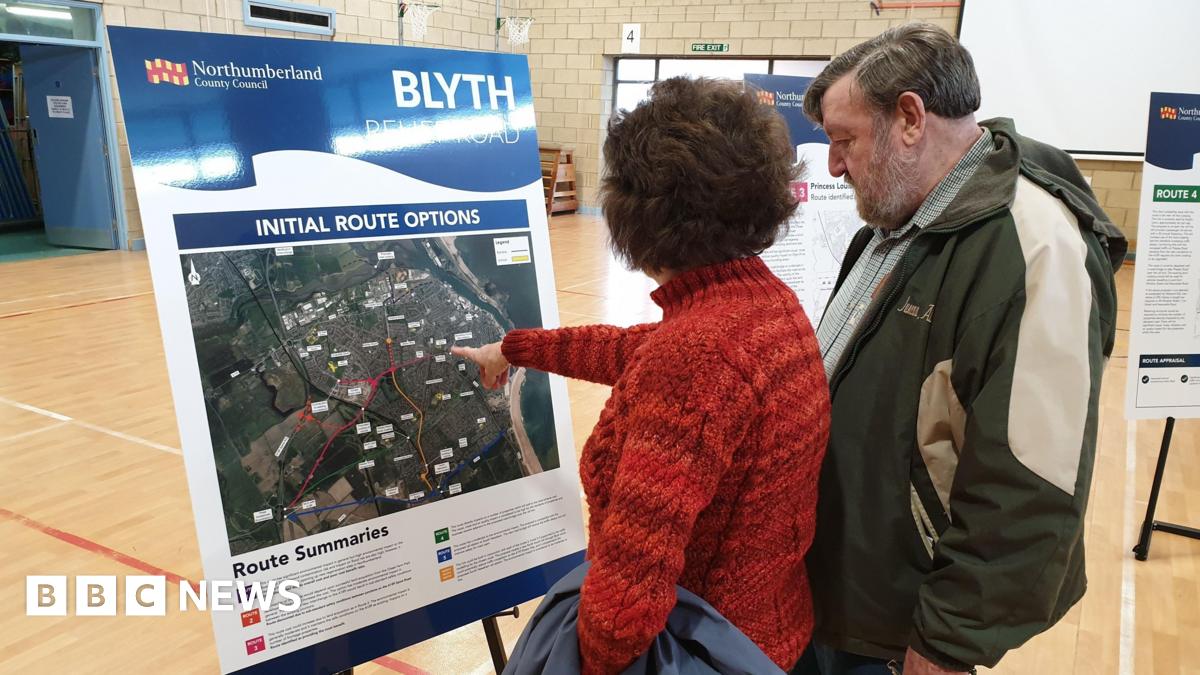
The design process has been thorough and community-focused. Following an initial transport appraisal in 2015, various routes were investigated, with public engagement taking place in early 2019 to gather feedback on the options. The preferred route, known as 'route 5', was then shared in preliminary form during summer 2022, allowing local communities to provide valuable input that has since been incorporated into the current design. The Outline Business Case for the scheme, currently under review by the Department for Transport, articulates the strategic objectives that the Blyth Relief Road is designed to achieve:
- Reduce Congestion: Significant journey time savings into and out of Blyth by alleviating pressure on the A193 Cowpen Road and A1061 Laverock Hall Road.
- Improve Bus Reliability: Enhanced punctuality for bus services through reduced traffic and delays on key corridors.
- Enhance Road Safety: A reduction in road traffic accidents across Blyth through targeted improvements to existing junctions and a decrease in vehicle numbers on congested routes.
- Boost Active Travel: New and upgraded facilities for walking and cycling, promoting healthier and more sustainable transport choices.
- Improve Living Environment: Better localised air quality for residents due to reduced traffic congestion and smoother flow.
These objectives demonstrate a comprehensive approach to addressing Blyth's transport challenges, ensuring a multi-faceted positive impact on the town. For more on the project's progression, you might find our article Blyth Relief Road: Plans Set for Approval to Ease Traffic insightful.
Community Engagement and Future Impact: Navigating the New Era
The journey to deliver the Blyth Relief Road has been characterised by a commitment to community involvement. Public consultations and engagement sessions have played a crucial role in shaping the current design, ensuring that local perspectives and needs are considered wherever possible. This collaborative approach fosters a sense of ownership and ensures the project is truly tailored to serve the people it impacts most.
Looking ahead, the long-term impact of the Blyth Relief Road is expected to be transformative. Residents can anticipate a noticeable improvement in their daily commutes, with less time spent in traffic and more predictable journeys. The enhanced walking and cycling infrastructure will open up new opportunities for leisure, exercise, and sustainable travel, connecting communities more effectively. For businesses, the improved accessibility will translate into more efficient operations, better access to a skilled workforce, and enhanced appeal for new investment, driving job creation and economic diversification.
Practical Tips for Residents and Businesses:
- Stay Informed: Keep an eye on local council updates regarding construction timelines and potential diversions.
- Explore New Routes: Once complete, take the opportunity to try out the new walking and cycling paths, or consider using the improved bus services and upcoming Northumberland Line.
- Leverage Accessibility: Local businesses should highlight improved access in their marketing and consider how enhanced transport links might open up new markets or talent pools.
- Provide Feedback: Continue to engage with local authorities on the scheme's implementation to ensure its long-term success.
The Blyth Relief Road project represents a significant stride towards creating a more robust, sustainable, and economically vibrant Blyth. It’s an investment in infrastructure that will yield dividends for generations, solidifying the town's position as a dynamic centre for innovation and community.
Conclusion
The £55 million investment in the Blyth Relief Road signals a monumental step forward for Blyth and the wider Northumberland region. This comprehensive project, moving beyond mere congestion relief, is a strategic enabler for the town's ambitious economic future in renewable energy and advanced manufacturing. By delivering vital infrastructure upgrades, promoting sustainable transport options, and addressing environmental concerns, the relief road is set to enhance the quality of life for residents, streamline operations for businesses, and attract further investment. As Blyth looks to cement its position as a thriving economic hub, the Blyth Relief Road stands as a testament to forward-thinking planning and a commitment to building a more connected, prosperous, and sustainable future for all.